Categories
China's "solid-state batteries" announced to be installed in cars
China's "solid-state batteries" announced to be installed in cars, charging for 10 minutes to provide a range of 1,500 kilometers
Nov 21st,2025
317 Views
China's "solid-state batteries" announced to be installed in cars, charging for 10 minutes to provide a range of 1,500 kilometers
After more than eight years of waiting, "solid-state batteries Made in China" are truly ahead!
Gotion High-tech has reportedly achieved a breakthrough in the development of quasi-solid-state batteries. Several of its models equipped with these batteries have achieved ranges exceeding 1,000 kilometers in road tests, and mass delivery of these models is expected this year. Furthermore, companies such as Guangzhou Automobile Group, Chery, and BYD have also officially announced breakthroughs in solid-state battery technology, with plans to introduce this technology in vehicles between 2026 and 2027.
Galaxy Securities Chief Analyst Zeng Tao stated, "In the next three to five years, my country will become one of the fastest-growing countries in the global solid-state battery industry."
01. With the range doubled, are new energy vehicle owners being "scammed"?
"As soon as the range reaches 100 kilometers, I start to panic. In the summer, the air conditioning drains the battery even faster, so I don't dare drive long distances. And the battery capacity is decreasing year by year. Now I really regret not choosing a gasoline car." Ms. Zhang, a new energy vehicle owner, shared the concerns of many liquid lithium battery owners.
Range has always been a key factor influencing the user experience of electric vehicles.
Currently, the liquid lithium batteries used in new energy vehicles on the market have an energy density between 180-220Wh/kg, corresponding to a maximum range of approximately 700 kilometers. Solid-state batteries, on the other hand, have achieved significant performance breakthroughs, with energy densities expected to exceed 500Wh/kg, supporting a range exceeding 1,500 kilometers. Charging speeds have also been significantly improved, ideally requiring a full charge in just 10 minutes.
In terms of durability, the capacity retention rate of solid-state batteries can be maintained at above 90% even after 10,000 charge and discharge cycles; in terms of safety, the use of non-flammable solid electrolytes completely avoids the risk of liquid electrolyte leakage and combustion.
However, the technological advantages of solid-state batteries have caused new anxiety among current new energy vehicle owners.
According to China Auto News, new energy vehicles already have a relatively low value retention rate, and the price war among new vehicles over the past two years has further lowered this indicator. Industry insiders worry that once solid-state battery models are officially installed; the prices of existing liquid lithium battery new energy vehicles could be halved.
Faced with this potential risk, many car owners are choosing to hold off on purchasing a vehicle for now.
02. Cross-sector technological breakthroughs are booming
Although some consumers are anxious about technological iterations, this has a very limited impact on overall technological progress.
For automakers, the focus isn't just on short-term sales figures, but rather on seizing the technological edge in solid-state batteries. Whoever achieves the first breakthrough in R&D will secure market benefits for decades to come. The outcome of this competition will also profoundly impact the global competitive landscape of the Chinese auto industry.
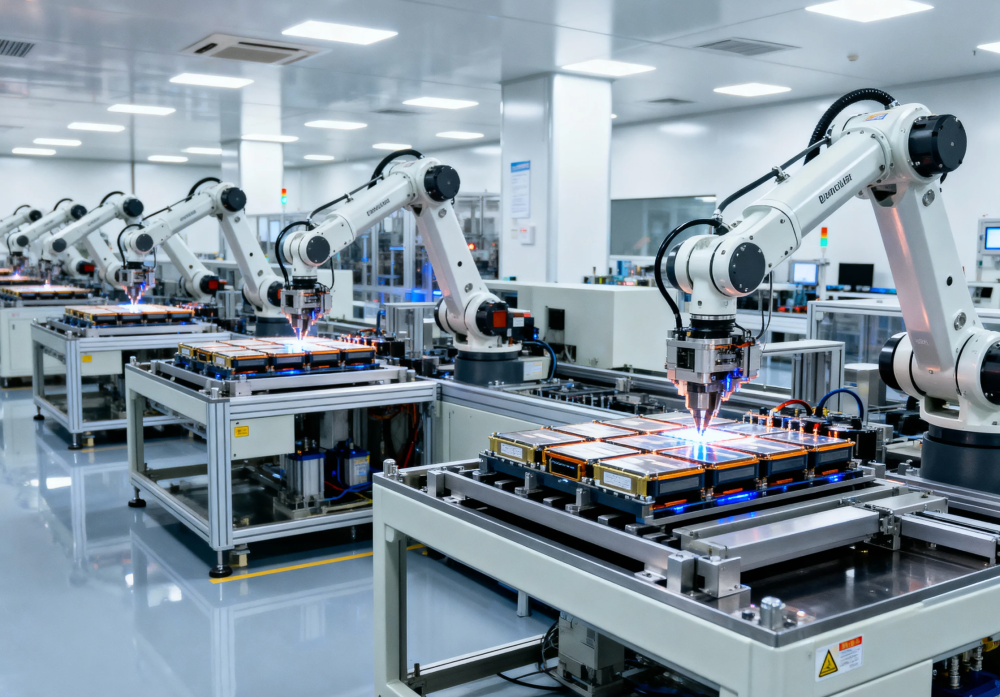
It's worth noting that with continued increases in R&D investment and steady upgrades in manufacturing processes, more and more cutting-edge technologies once confined to the laboratory are gradually being implemented or are about to enter the practical stage, significantly changing everyone's daily lives.
In the new energy sector, the Institute of Metal Research, Chinese Academy of Sciences, has achieved a breakthrough in solid-state lithium batteries, developing a flexible battery that can withstand 20,000 bending cycles and boasts an energy density of 86%.
However, we must admit that while many companies have announced plans for mass production of solid-state batteries, achieving the same level of popularity as current new energy vehicles remains unrealistic.
03. How long will it take for industrialization to be achieved? Are new energy vehicles still affordable?
From the perspective of constraints, cost is the primary problem: the current cost of solid-state battery cells is about 5 yuan/Wh, which is 3 to 5 times that of traditional liquid lithium batteries (about 1 yuan/Wh). This means that vehicles equipped with solid-state batteries will be priced at least three times that of existing liquid lithium battery models, significantly raising the consumption threshold.
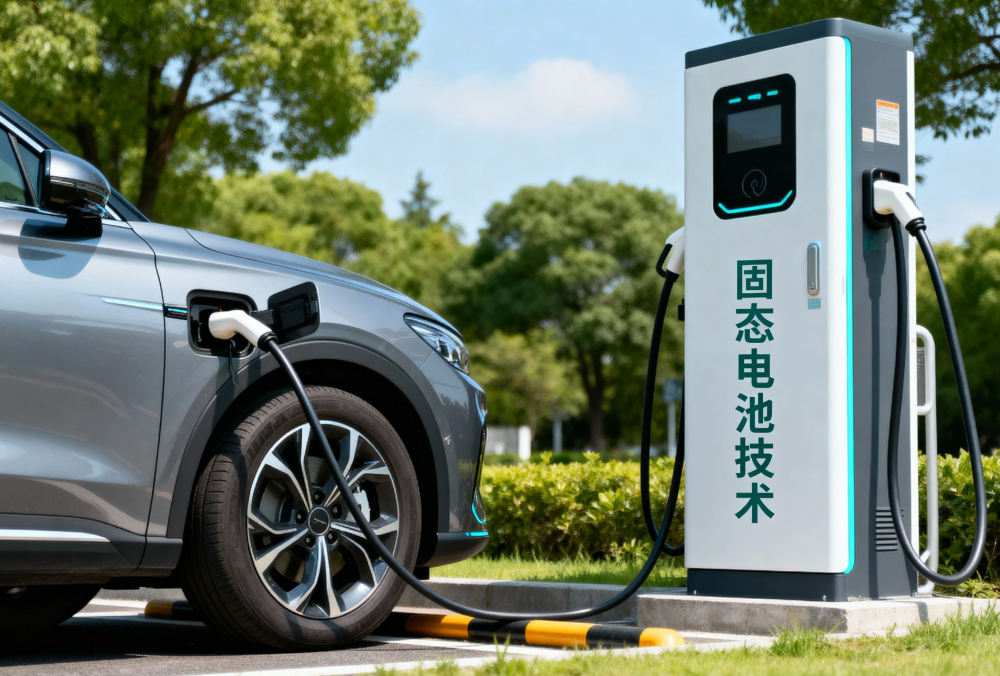
Secondly, technical challenges remain. Key technical indicators such as ionic conductivity and interface stability have yet to reach mature standards for large-scale commercial use, requiring continued industry research. Furthermore, there are questions regarding supporting infrastructure. Whether solid-state battery charging stations will need to be rebuilt or upgraded remains unclear.
Based on this current situation, the industry generally predicts that the widespread adoption of solid-state batteries will take time, and most consumers need not worry excessively about the rapid obsolescence of existing new energy vehicles.
For consumers who are particularly interested in solid-state battery vehicles, the industry recommends that they temporarily retain their car purchase budget and wait until the technology is truly mature and stable and the product cost-effectiveness reaches a higher level before making a car purchase decision.