Categories
Advancements and Applications of Lithium Polymer Batteries
Nov 5th,2025
408 Views
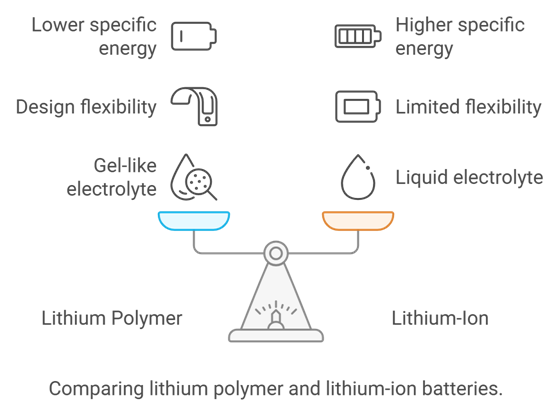
Lithium polymer batteries, known for their lightweight, flexible, and energy-dense qualities, are reshaping how power is stored and utilized in modern technology. As industries move toward more efficient and adaptable power sources, the lithium polymer battery is becoming increasingly popular across various applications, from consumer electronics to electric vehicles.Understanding Lithium Polymer Battery TechnologyUnlike lithium-ion batteries that use a liquid electrolyte, lithium polymer batteries incorporate a gel-like polymer electrolyte. This structure gives Li-polymer batteries the flexibility to be produced in slim, compact designs, which has made them popular in devices where space and weight are critical considerations. However, lithium polymer batteries often have slightly lower specific energy, specific power, and cycle life than their Li-ion counterparts. This difference can affect their performance over time, particularly in high-demand applications like EVs. Still, the trade-off in performance is balanced by certain design and safety advantages, which have made them appealing in select markets.Another key benefit of lithium polymer batteries is their enhanced safety profile. The gel-like electrolyte reduces the risk of leakage, a common issue with liquid-based lithium-ion batteries. 
 Key Applications of Lithium Polymer BatteriesWith their compact, lightweight design and safety benefits, lithium polymer batteries are gaining traction in several fields. Though they may require more materials for production, the trade-off is a battery that supports safety and flexibility for an array of modern needs. Consumer ElectronicsOne of the most widespread uses of lithium polymer batteries is in consumer electronics. From smartphones to tablets and wearables, these batteries are preferred for their lightweight, slim design, which doesn’t compromise on power. In the world of consumer electronics, where slimness and portability are in high demand, lithium polymer batteries deliver both. They not only fit into increasingly smaller devices but also support fast charging, providing users with quick, reliable power. Remote-Controlled Devices and DronesLithium polymer batteries have gained popularity in remote-controlled (RC) devices and drones, where light weights and high-power outputs are essential for optimal performance. RC enthusiasts value these batteries for providing longer flight times and faster speeds in lightweight models. Drones, for example, are especially dependent on their battery performance. Lithium polymer batteries’ high energy density ensures longer flight times, enabling drones to travel farther and support heavier payloads for all manner of applications.Electric Vehicles and Other Emerging MarketsLithium polymer batteries are also making strides in the electric vehicle (EV) sector. Though lithium-ion batteries dominate this space, advances in lithium polymer technology are opening up new possibilities. The ability to create custom-shaped battery packs allows automakers to optimize vehicle layout, improving balance and usability. As research continues, lithium polymer batteries may soon become a viable alternative in the EV industry, especially for specialized, compact electric vehicles.Beyond EVs, lithium polymer batteries are entering emerging markets, such as robotics and medical devices. Their ability to power lightweight and flexible applications makes them suitable for medical implants, wearables, and industrial automation tools that require precision and efficiency.
Top Lithium Polymer Battery Manufacturers Globally
Identifying the best LiPo battery manufacturers on a global scale requires discerning their market presence, cell quality, innovative engineering, and customer feedback. The following list highlights some of the top-tier manufacturers:1. Panasonic CorporationPanasonic Corporation has a long-established reputation for exceptional quality and reliability in the battery industry. By focusing on advanced technologies, Panasonic has become synonymous with high-capacity, long-life LiPo batteries, serving both consumer and industrial markets.2. Samsung SDISamsung SDI is a major player in the LiPo battery market. The company’s LiPo batteries are renowned for their performance and safety features. Samsung SDI continuously invests in research and development, setting industry standards with innovative energy solutions and efficient power storage.3. LG ChemLG Chem is recognized globally for its cutting-edge LiPo batteries. Their product line caters to a broad spectrum of applications, including electric vehicles, portable electronics, and energy storage systems. Their continuous commitment to quality has made them a trusted name in energy storage solutions.4. BYD Company LimitedBYD Company Limited is a Chinese manufacturer known for its comprehensive approach to energy solutions. Their LiPo batteries are integral to their sustainable and renewable energy products. BYD batteries are widely used in electric vehicles and large-scale energy storage applications.5. Sony Energy Devices CorporationSony Energy Devices Corporation, a subsidiary of Sony Group Corporation, excels in creating dependable LiPo batteries for various consumer electronics and professional equipment. Their consistent focus on safety and performance ensures longevity and reliability in their products.6. Amperex Technology Limited (ATL)Amperex Technology Limited, a subsidiary of TDK Corporation, is a significant supplier of LiPo batteries, particularly in the consumer electronics market. Their batteries are commonly found in smartphones, laptops, and other high-demand electronic devices, offering high energy density and reliable performance.7. Shenzhen iBorn Energy Co., Ltd.Shenzhen iBorn Energy Co., Ltd. stands out for its customized, high-discharge Lithium Polymer batteries. Their solutions serve a variety of applications, from medical devices to IoT products, ensuring flexibility and efficiency in their energy solutions.For details,please visit: https://ibornbattery.com/collections/lithium-polymer-battery8. MotomaShenzhen Motoma Power Co. Ltd. was founded in 1994 and headquartered in Guangdong, China. The company mainly manufactures rechargeable li polymer batteries, lithium iron phosphate batteries, and cylindrical lithium batteries9. Tianjin Lishen Battery Joint-Stock Co., Ltd.Tianjin Lishen is a prominent Chinese manufacturer focusing on high-quality LiPo batteries for diverse applications, from consumer electronics to electric vehicles. Their emphasis on quality control and technological advancement positions them as a reliable choice.10. Thunder Power RCThunder Power RC is a leader in the high-performance, hobbyist market for LiPo batteries. Known for their high discharge rates and durability, Thunder Power RC batteries are a top choice in areas requiring rapid power delivery and robustness.Recent Advancements and Sustainability ChallengesWhile lithium polymer battery technology is advancing, it also faces challenges, particularly in sustainability. Recent improvements have focused on extending battery life and improving efficiency, making these batteries more durable over time. Recycling lithium polymer batteries presents unique challenges due to the solid polymer electrolyte and specific metals used, which require specialized recycling processes. Currently, recycling methods for these batteries are still developing, with a focus on recovering valuable components like lithium, cobalt, and nickel. As these recycling techniques advance, the environmental impact of Li-polymer batteries can be mitigated.It’s worth noting that, due to their composition, lithium polymer batteries may have a higher environmental footprint compared to lithium-ion batteries. This is largely because they require more raw materials for production, which underscores the need for responsible recycling practices.

